Lumber Font for Web Design and Branding
When it comes to crafting a visual identity that stands out, the right font can make all the difference. Lumber is a display font that brings a quirky yet refined charm to digital projects. As a web designer, I've found that fonts like Lumber are especially useful when you need to inject personality into a brand without sacrificing readability or usability.
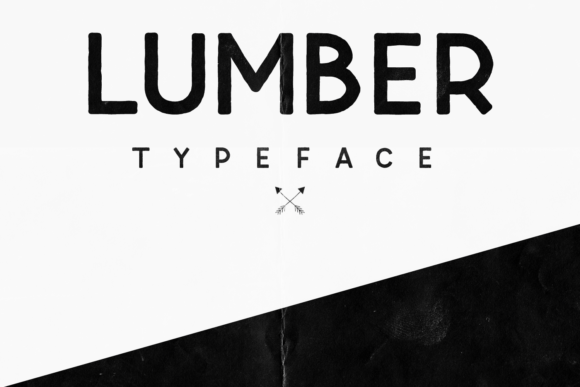
Lumber has a distinctive character with its slightly irregular stroke widths and playful curves. This makes it ideal for headers, logos, and other elements where a touch of whimsy can elevate the design. The font's unique style works well in creative contexts such as portfolio sites, boutique online stores, and branding kits that aim to be memorable and engaging.
Using Lumber in Website Layouts
For website headers and hero sections, Lumber adds an element of surprise while maintaining clarity. Its legibility on screens ensures that even with its quirky appearance, the message remains clear. When used in landing pages, it helps draw attention to key calls-to-action by creating a visual hierarchy that guides the user’s eye naturally.
On online shop banners, Lumber can be used to highlight product names or promotional text. It pairs well with clean sans-serif fonts for body copy, ensuring that the decorative nature of Lumber doesn't interfere with the readability of supporting text.
Best Practices for Readability
While Lumber excels in display purposes, it's important to consider its use in different environments. On mobile screens, it's best reserved for short phrases or section headings rather than long paragraphs. For small buttons or interactive elements, a simpler font might be more appropriate to ensure tap targets are clearly visible.
When using Lumber on dark backgrounds or image overlays, it's crucial to test contrast levels to maintain legibility. A subtle drop shadow or stroke can help it stand out without overwhelming the content.
Font Pairing and Visual Harmony
One of the most effective ways to use Lumber is by pairing it with a complementary font. For instance, combining it with a modern sans-serif font like Helvetica or Arial can create a balanced look that feels both professional and creative. This approach is particularly useful in editorial designs, blog headers, or digital ads where the goal is to capture attention while maintaining readability.
In a coaching website or course sales page, Lumber can serve as the primary font for headlines, while a more traditional serif font can support the body text. This creates a cohesive yet dynamic typographic system that aligns with the brand's tone and purpose.
Brand Identity and User Engagement
The choice of font directly impacts how users perceive a brand. Lumber, with its quirky and approachable feel, can help establish a brand voice that is friendly and innovative. Whether it's a creative portfolio, a boutique store, or a SaaS landing page, the font contributes to a consistent online identity that resonates with the target audience.
By using Lumber in strategic areas—such as logo text, decorative accents, or branded web content—you can reinforce the visual language of your brand. It’s especially effective in digital products and templates that require a unique aesthetic without compromising functionality.
Considerations for Commercial Use
If you're planning to use Lumber for client projects, online stores, or digital templates, it's essential to check the licensing terms. Many free fonts, including those from the Freebies category, may have restrictions on commercial use. Always verify whether the font supports multilingual characters, webfont formats, and alternate glyphs if needed for specific design requirements.
For designers who rely on a wide range of typefaces, having access to various weights, styles, and alternates can be beneficial. While Lumber may not offer extensive variations, its distinctiveness makes it a valuable asset in a curated font library.
Whether you're building a personal brand, launching a new product, or redesigning a website, Lumber offers a versatile option that blends creativity with practicality. By thoughtfully integrating it into your design system, you can enhance the visual appeal of your digital work while maintaining a strong focus on usability and brand consistency.