Kumadinya: A Quirky Font That Elevates Branding
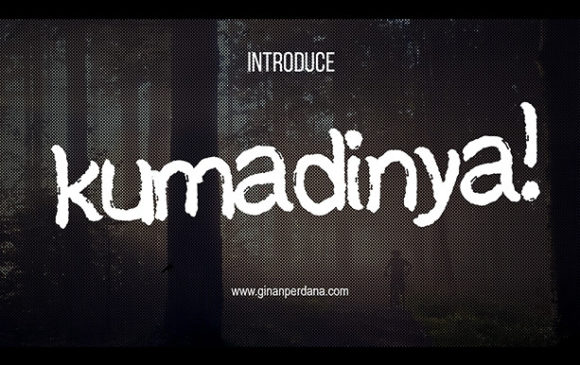
There’s something about the right font that can transform a simple label into a memorable brand moment. I recently found myself in the middle of updating my bakery’s packaging, and it was the perfect time to test out Kumadinya. This cool and quirky brushed display font caught my eye, and after a few hours of experimenting, I realized how much it could bring to the table—literally.
Kumadinya has this playful yet polished feel to it. It’s not too wild, but it definitely stands out. The brushed texture gives it a handcrafted charm, which is exactly what I needed for my bakery’s new line of seasonal cookies. It felt like the kind of font that would make customers pause and take notice, without feeling overly gimmicky.
Why Kumadinya Works for Real Business Materials
I started by using Kumadinya on my product labels. Instead of the usual plain text, I used it for the names of each cookie flavor. The result was instantly more inviting. The font’s soft edges and slight irregularity gave the labels a warm, approachable vibe. It wasn’t just a name—it felt like a story waiting to be told.
Next, I applied it to my café’s new menu. I used it for the section headers and special offers. It added a nice contrast against the clean sans serif font I used for the rest of the text. The combination made the menu feel both professional and friendly, which is exactly what I wanted for a cozy coffee shop environment.
Even on my thank-you cards, Kumadinya made a difference. It didn’t overpower the message, but it added a personal touch that made each card feel more thoughtful. I’ve noticed that customers have been commenting more on the design of the cards, which is a small win for branding.
Where Kumadinya Shines in Branding
Kumadinya isn’t just for labels or menus. It’s a versatile display font that works well as a headline or decorative accent. I’ve used it on Instagram posts, website banners, and even digital ads. Its unique character makes it ideal for grabbing attention without being too loud.
If you’re looking for a font that adds personality to your logo, Kumadinya could be a great fit. It has enough visual interest to stand out, but it still feels professional. For packaging titles or product mockups, it brings a sense of creativity and individuality that can help your brand stand out from the crowd.
When pairing fonts, I found that Kumadinya works best with a clean sans serif or an elegant serif. The contrast between the two styles helps keep the design balanced while still making the brushed font the star of the show.
Readability and Practical Use
One thing I always worry about when choosing a font is readability. Kumadinya is legible enough for short phrases and headlines, but I wouldn’t recommend using it for long blocks of text. That said, it’s perfect for labels, tags, and social media thumbnails where space is limited.
For printed materials, I tested it on a few different sizes and found that it looks great on both large banners and small tags. On mobile screens, it still maintains its clarity, which is important for online shops and digital promotions.
Before using any font on customer-facing materials, I always check the licensing. Kumadinya is available as a freebie, so it’s important to review the terms to ensure it’s suitable for commercial use. I also looked at the file formats and found that it includes several weights and alternates, giving me flexibility for different design needs.
A Font That Feels Like a Small Business Upgrade
Overall, Kumadinya has become one of my go-to fonts for creative projects. It’s helped elevate the look of my bakery’s branding without requiring a huge investment. Whether it’s for a thank-you card, a product label, or a social media graphic, it adds that extra bit of polish that makes all the difference.
Typography might seem like a small detail, but it plays a big role in how people perceive your brand. With the right font, you can create a consistent, trustworthy, and memorable image that resonates with your audience. And for a small business owner, that’s a powerful tool to have in your design toolkit.